


Report on the "Contemporary Jewelry in Iran" panel at Tehran Design Week
Author: Wajihe Mobaraki
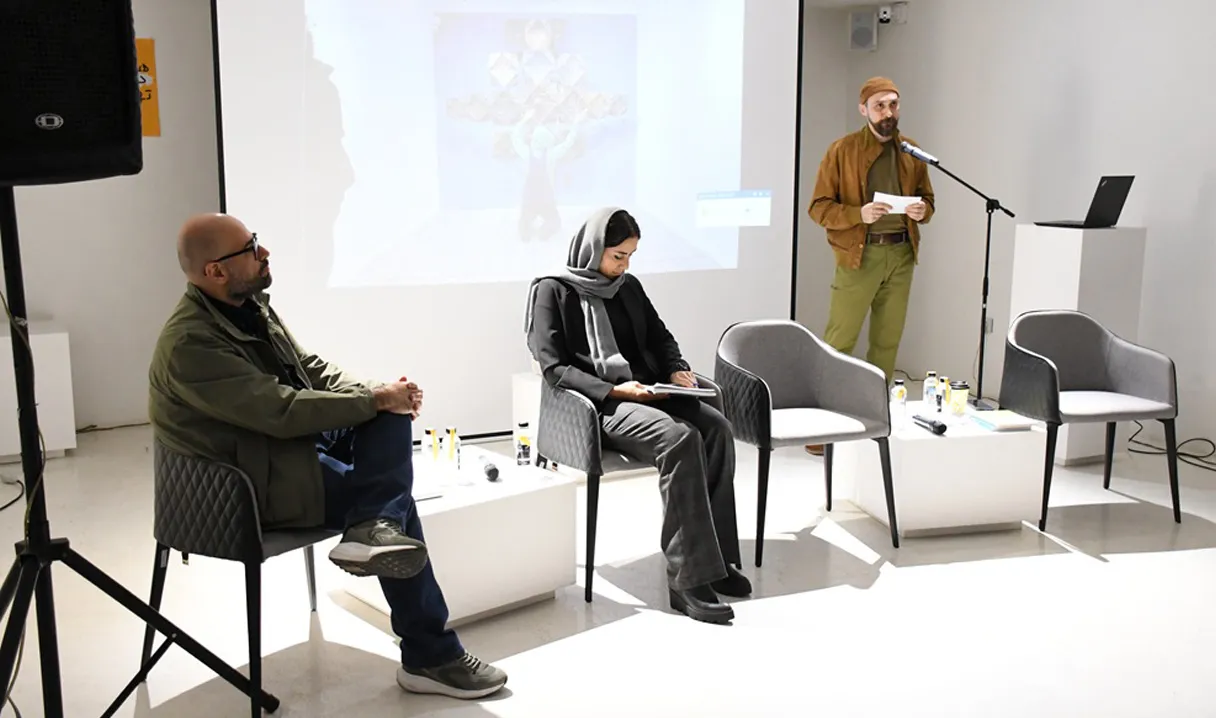
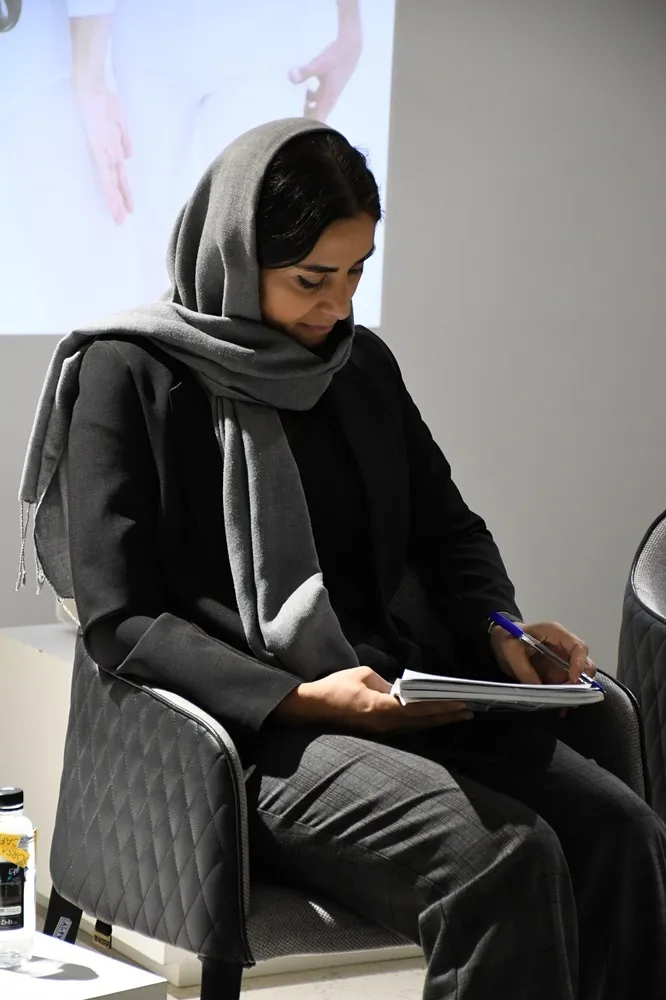
On Saturday, November 14, 2015, on the fifth day of Tehran Design Week in the Fashion and Apparel section, Mod Gallery hosted a panel on the topic of “Contemporary Jewelry in Iran.” The panel was moderated by Shahrzad Aliari, a jeweler and university lecturer, and featured Amir Mohammad Nasiri, Reza Mikaelzadeh, and Hojatollah Moradkhani as guests.
The Currents of Contemporary Jewelry Making and the Challenges of Artists
Aliari points out in her speech that in the world, contemporary jewelry has an independent place and numerous galleries deal with it exclusively, but in Iran this field is still considered a sub-branch of visual arts and is not recognized as a specialized art.
He emphasizes that every artistic movement is inevitably accompanied by a marketing movement. From his perspective, the main questions are: What is the challenge for artists with marketing? What is the responsibility of galleries towards artists? How are sponsors’ views on artists formed? And finally, how is the economics of art defined in this area?
Artists' challenges and their expectations from sponsors
Nasiri takes an artistic approach to the issue. He believes that financial support can change the path of an artist and play a decisive role in their personal growth and the quality of their work.
He says these supports work best when they focus on the process, not just the outcome and sales. The artist can maintain the depth of their work and personal identity when they are not under the pressure of financial returns.
From his perspective, the relationship between artist and sponsor should be based on mutual understanding and an interactive mechanism; support that serves the creation of the work.
Investors and sponsors' perspective on contemporary jewelry making
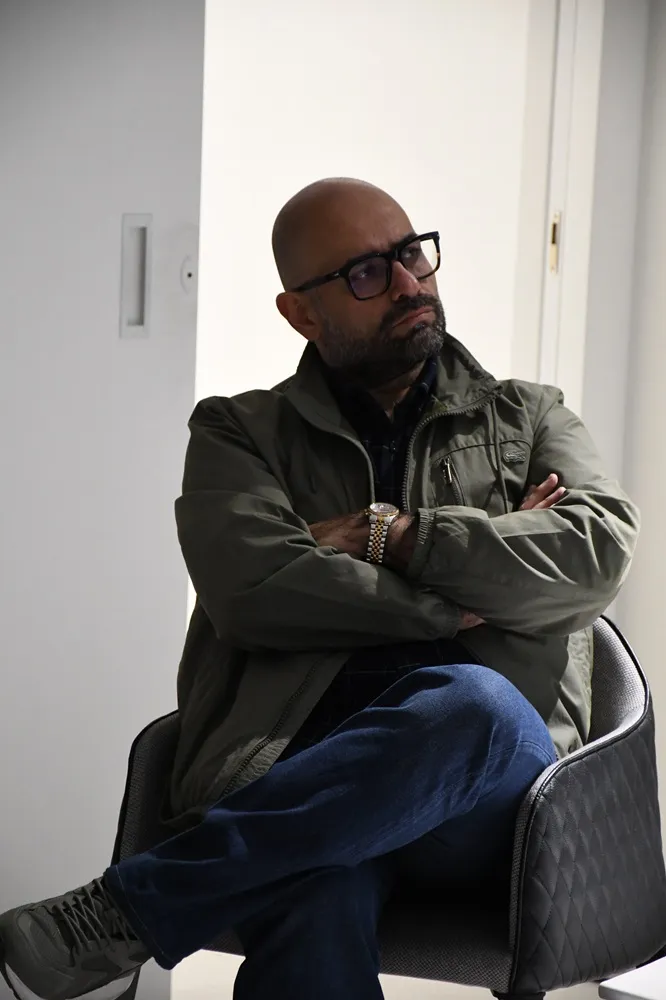
Mikaelzadeh begins his remarks with the statement: “A sponsor is neither a benefactor nor a guardian of the artist.”
In his view, the artist is trying to raise the level of culture in his field; therefore, the mental model of “guardianship” or “guardian of the artist” is meaningless in the relationship between sponsor and artist.
He cites three reasons for sponsors’ reluctance to enter this field: First, the lack of an art audience in Iran increases the risk of investment. Second, the abstract nature of the language of art and the difficulty of communicating with the audience can lead to ridicule or negative feedback.Third, the importance of media returns for the sponsor, because the investor makes decisions based on numbers and seeks to return the investment as quickly as possible.
He goes on to raise other issues, including whether an influential sponsor is willing to be seen alongside a lesser-known artist? Is the artist’s lifestyle compatible with the sponsor’s media sensibilities? And, most importantly, is the Iranian sponsor even ready to enter the field of contemporary jewelry?
In his opinion, the artist should be his own first sponsor. He also defines the role of galleries as follows: “The gallery is not responsible for discovering the artist; it creates the path for this discovery.”
Economics and Art: An Essential Relationship
In response to the relationship between economics and art, Moradkhani pointed to the place of contemporary jewelry among design products. He added that jewelry is one of the most profitable branches in the export of creative products in the world; but in Iran, due to the lack of reliable statistical sources, there is no reliable data.
She emphasized that due to the higher media influence of visual arts, jewelry making in Iran has been overshadowed by this field, while the two are completely different in terms of structure, added value, and professional standards.
In his opinion, contemporary jewelry making in Iran can only emerge from this shadow when it builds its own professional ecosystem;
structuring, mapping, identifying actors, defining processes, and understanding the real needs of the field.
last word
What was seen in this panel was a clear picture of the state of contemporary jewelry making in Iran. The shortcomings and concerns of artists and sponsors, as well as the lack of basic infrastructure in forming a community of designers in this field, were among the issues addressed in this discussion.
For contemporary jewelry to find its true place, it is necessary for artists, galleries, investors, and cultural institutions to act simultaneously and in harmony so that this field can be recognized as an independent, vibrant, and influential medium in Iran, just as it is seen in the world.
